Friday, 21 April 2023

2023 Weekly Challenge Week 15: Sony a37 SLT

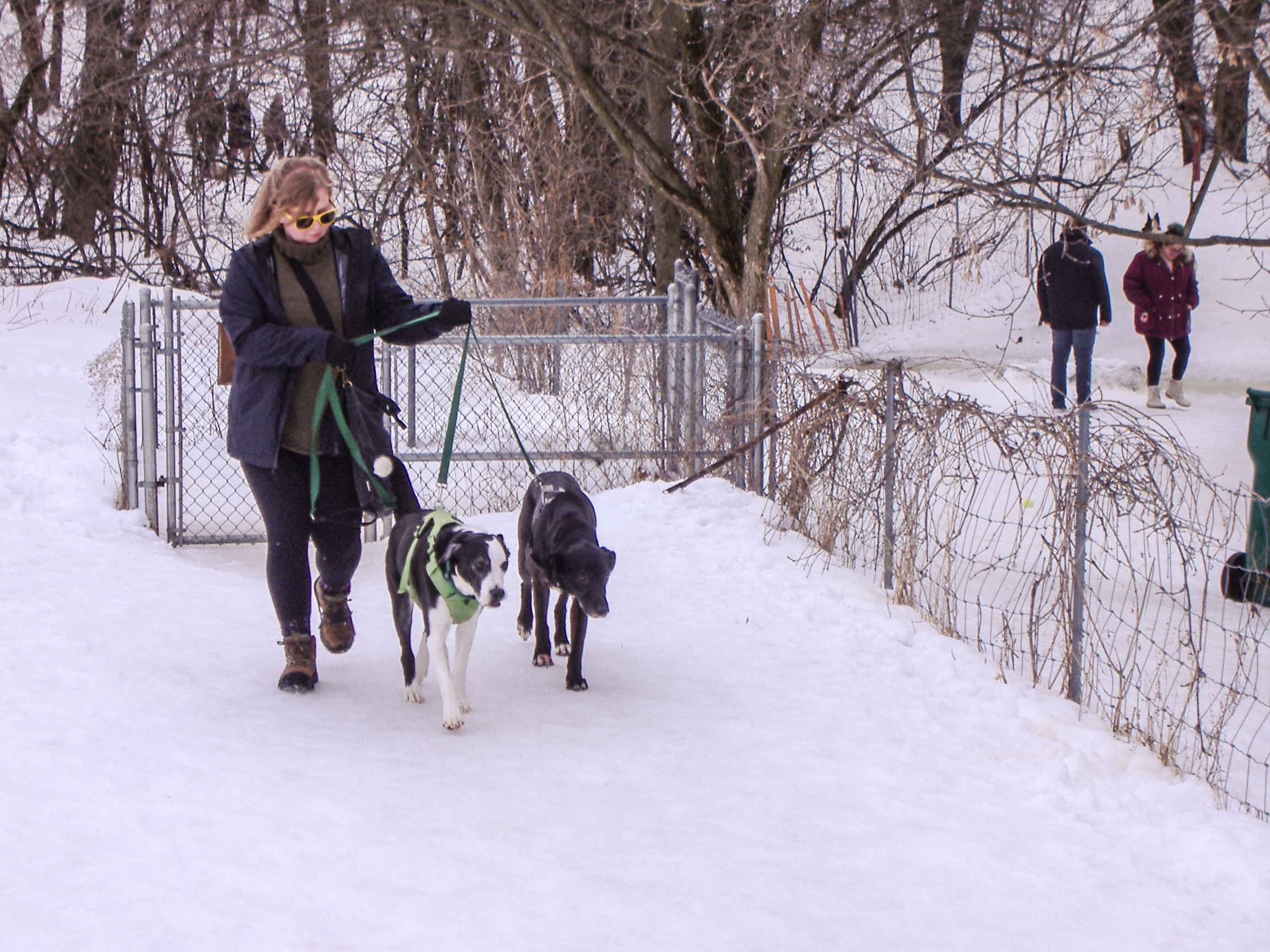
Back in the early 2010s Sony pioneered a different approach on interchangeable lens camera; the Single Lens Translucent or SLT cameras.  These cameras were a short-lived strange hybrid of a Mirrorless camera and DSLR. They combined a DSLR Phase Detect Auto Focus system and the capabilities of a Mirrorless body such as focus peaking, exposure preview and a EVF instead of the OVF found on DSLR cameras.

The camera has a semi-transparent mirror which acts as a prism and splits off a small amount of light to bounce to the PDAF sensor.  The rest goes through to the sensor.  The mirror never flips up and operates a lot like a drop-in filter; adding a layer of protection to the senor itself that mirrorless bodies lack.

It was a novel concept, and Sony built some really great cameras using this technology. I own two: the Sony a99 Full Frame (first version) which I will review in a later review and the Sony a37. 

The SLT lines were however prone to Hardware malfunctions, including the IBIS unit failing (as it has in my a99) and other issues like a lens communication issue that my a37 is starting to develop.  I used the camera for years before it developed this issue and it only started acting up when I brought it back out of storage for this week of shooting.

The biggest reason I picked up Sony A mount (which includes the one pre-SLT era DSLR I have the a290) was that I can run Minolta Film lenses natively with Autofocus. Minolta made some amazing lenses for their film system in the 80s and 90s- many of which are so well built that they are still producing great shots to this day. Taking a modern camera and using vintage lenses you picked up for a song is a lot of fun; especially when you don't need to run it through a mount adapter and sacrifice AF and aperture control on the camera.  


The Sony a37 sported a 16mp APS-C sized CMOS sensor; the same sensor that was used in many different Sony and Nikon cameras. It had an extended ISO range of 16000 but started to get fairly noisy after around ISO 1600 so I typically would keep my ISO below that when shooting it. Sony was a pioneer of In-Body stabilization so the a37 along with all Sony A mount bodies (DSLR and SLT alike have IBIS)

I picked this camera up in 2017 and it was one of my first ICL cameras on a new lens system "For Fun" that wasn't a part of my primary system. I was able get a good selection of lenses for it while not investing much money. 

This camera turned into one of my primary Street Photography cameras from 2018-2019 and it's one of the things the camera really excels at.  It's smaller and more discreet then a larger DSLR and the tilt screen on the back makes hip-shooting easy. It's also very easy to shoot. It has a very quick startup/ready from standby or turned off which is huge for street photography as well.

It's not a great camera for Wildlife or Action Photography as I found out during this review.  When I shot this camera back in 2017-2018 I was using this for Street Photography and anything that required a fast burst rate and response I was using my higher end equipment for.  The shutter on this camera is slow; and while it captures the moment as soon as you hit the shutter with no noticeable shooting lag but on the back swing of the shutter mechanism there is a bit of a delay while it resets so you can't fire quick shots in succession unless you are in continuous drive mode.

Continuous drive mode is rated at 5.5 FPS on paper. Which is respectable for an entry level camera.  However when I shot it in the field it felt a lot slower, no faster then a Canon Rebel at 3.5 FPS and the Rebels were better for Single Shot quickfire actuation which is what I typically do instead of locking it into Continuous drive. 

Control wise it handles a lot like a Canon Rebel; with a single control wheel operated with a button press for alternate function (such as setting shutter speed in manual or Exposure Comp in priority modes).  It gets a respectable battery life of around 500-600 shots "in the field" which is more then it is rated for and is respectable for essentially a mirrorless camera with some throwbacks to a DSLR.

Overall I ran into frustrations when shooting it, but one was from a lens communication issue this camera did not have before, and the slower response when I tried taking it out for Wildlife. That said, I still enjoy shooting it and might at some point replace it with a higher end APS C SLT like an a68 or a77 if I ever find one of those for cheap. So enjoy some of the shots I took when I revisited this camera during an unseasonably warm stretch of early Spring weather.


Sunday, 9 April 2023

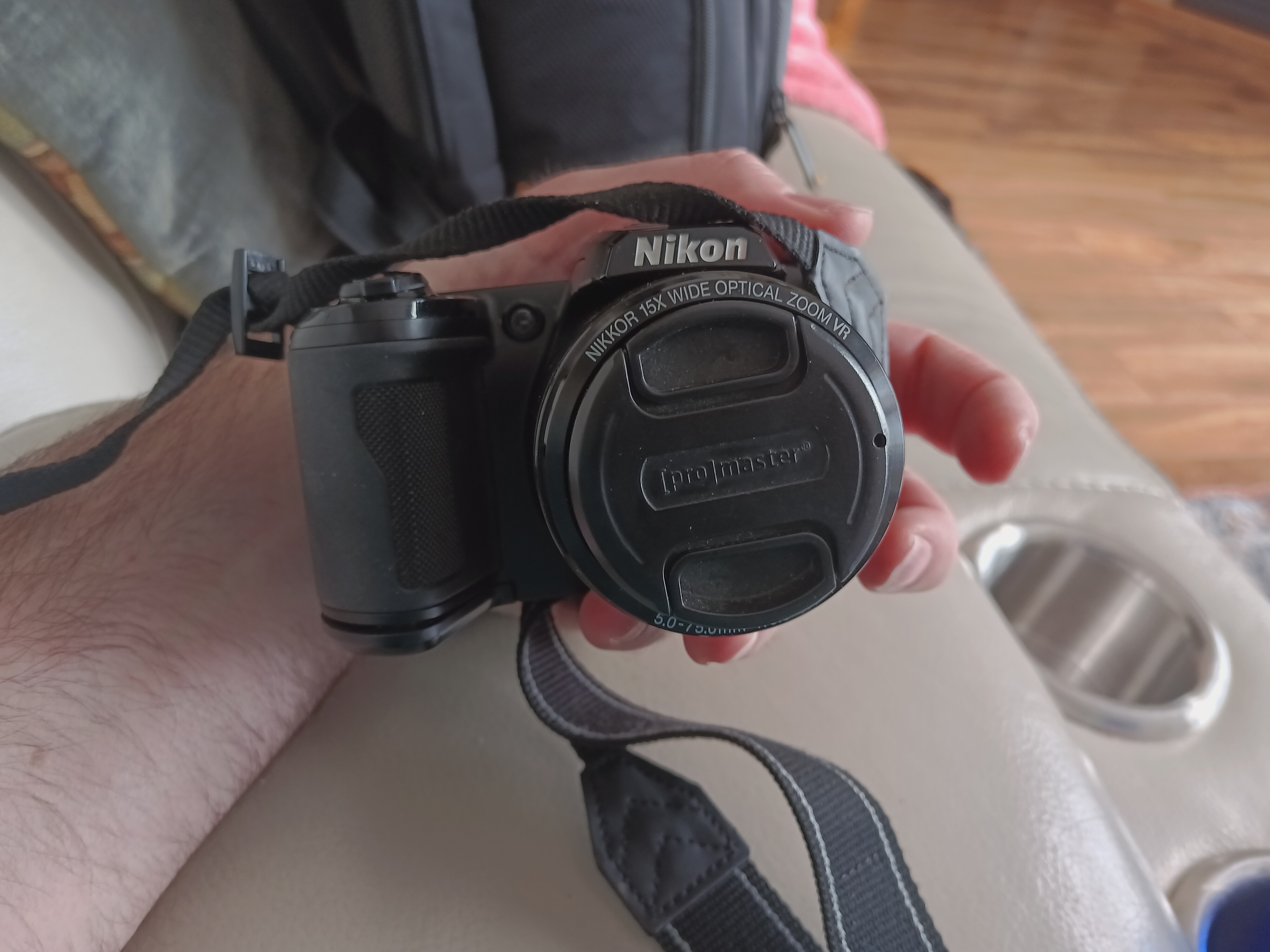
2023 Camera Challenge Week 14: Nikon Coolpix L105

 Last week I decided to treat myself and buy a thrift store camera. Since the Digicam craze hit the market prices at thrift stores has skyrocketed for the thrift stores that still carry and stock Digicams (Goodwill for example now will never stock digital cameras in their physical stores and just moves any digicams they get in to Online Auction- which is sad but I have got a few decent deals this way).  

Gone are the days of finding a $5 working digital camera at a Thrift Store.  Now we are talking $20-50 instead; which put into perspective is about the same price as a Video game so its not the end of the world if it becomes something I don't like shooting, but thrift stores are no longer the "cheap" place for Digicams they once were.

I did end up finding a thrift store that actually had quite a few digicams in the front case and after making the employee pull them all out I felt bad for not buying one and making him put everything back for nothing even if they were a little pricey. But I was also able to test this one in the store to verify it worked which was a plus. I paid $40 USD for it which was admittedly more then I likely should have paid for this fairly basic lackluster bridge camera.


The Nikon Coolpix L105 comes out of a trend of similarly designed compact superzoom bridge cameras from the early 2010s. They were designed to be comfortable to hold and very easy to use; providing a much more ergo friendly alternative to a point and shoot or early smartphone without the price and complexity of a DSLR. 

The Coolpix L105 was released in 2011 and sported a fairly average 12mp 1/2.3" CCD sensor and a 15X zoom. It ran on AA batteries which a lot of Digicam enthusiasts like instead of a dedicated rechargeable pack- but there is a downside to this which I will explain later. 

It has no PASM dial and rather the scene modes were accessed through the main menu, encouraging the user just to use Intelligent Auto and forget about it.  I shot mine in the standard P mode so I had the ability to adjust the exposure comp as it did have a hardware button for it.

As with other more "basic" budget bridge cameras it lacked the ability to shoot RAW or do full manual which is expected in most random thrift store digicams I find. It does have a 4 way control pad with the ok button in the middle which made it more appealing then some cameras I own as navigating menus and getting access to some of the core features like exposure comp and macro mode was easier.

Overall I enjoyed the output of the photos from this camera (which you will see later).  It had a nice sharpness to it with vibrant CCD colors that made me have to do little to no editing in Post on them (with one exception which I will mention later). The 15x zoom was a comfortable range for shooting a variety of subjects.

However, this camera had a lot of flaws and I feel I likely overpaid for it as given my frustrations when shooting it I may not ever shoot again (likely will be on the chopping block for re-sale or a digicam trade in the future).

First off and most notably the battery door latch was VERY poorly designed, and mine may have been slightly damaged.  When you put the AA batteries in the door has a lot of pressure on it, so much so that if it wasn't latched perfectly it would crack open just enough to lose contact with the batteries and shut down the camera. This was beyond frustrating as you had to open the door and close it before you could even retract the lens to fully shut the camera off when it happened.

Secondly was the battery life.  In general the battery life on AA battery operated cameras is worse then those with dedicated packs, that much was certain.  But even among other AA powered digicams this one stands out and not in a good way.  First off it takes 4 AA batteries, not two and it burns through a fresh set of alkaline batteries in about 120 shots.  Using high grade nicad rechargeables may extend your battery life a few extra shots but overall pretty lousy especially when considering it burns through 4 batteries each time.

The camera's LCD screen was Dim even with brightness adjusted which turned all the way up was nearly impossible to see on a bright day- this is a fairly common issue with digicams that lack a OVF or EVF however (more premium digicams like the Olympus XZ-1 have bright high contrast screens which can power through bright sunlight shooting.)

The Zoom was incredibly slow.  Worse then pretty much every other digicam I own even older ones.  Forget about using this camera for Wildlife photography (I tried) the bird will be long gone by the time the optical zoom extends to take the shot.

And lastly, the camera starts to fall apart at IS0 400 which is pretty a-typical for small sensor CCD digicams. However it uses very aggressive and primitive anti-noise algorithms so instead of getting somewhat organic CCD noise which can be artistic to use you wind up with a blurry smudge that looks like this:


In spite of my frustrations with the camera I did get some pleasant shots out of it and a few that actually surprised me.  It's slow and clunky but it does have a pretty sharp lens; I just wish there was more you could do with it (like shooting RAW or manual modes) of course and that the zoom didn't take so long to extend.  Also the Image Stabilization on mine was extremely noisy but that may have just been due to the condition of the camera and fact it likely had been sitting for years and may have had some internal dust in it. 

Aside from the cropped and smeared photo of ducks that was taken at an ISO much higher then I needed (as I turned it off auto ISO for an indoor Macro shot and forgot to turn it back to Auto) here's a few of the shots that did turn out with this thrift store find:


Monday, 3 April 2023

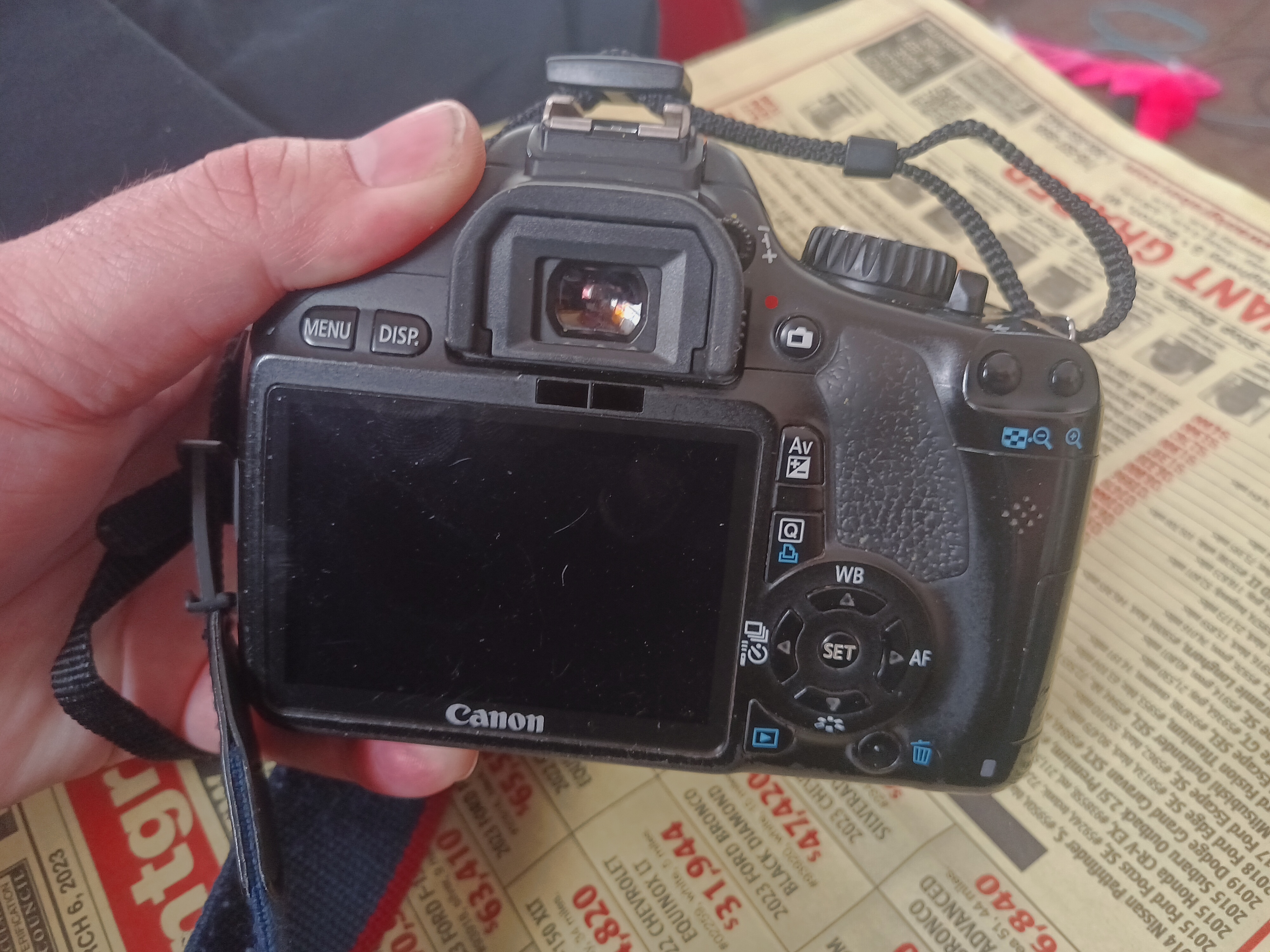
2023 Weekly Challenge Week 13: Canon Rebel T2i (Canon 550D)

 The Canon Rebel T2i is the newest Canon interchangeable lens camera I currently own but not the newest I've shot. Prior to 2019 I was mainly a Canon shooter and used a Canon 80D which was a much more advanced camera.  

Since then I jumped ship to Nikon as my primary system so the Canon DSLRs I own are now just cameras I shoot for fun. As far as Pro/Prosumer cameras with all the bells and whistles I've become a bigger fan of how Nikon does things.  

Simplicity is why I really like these cameras. The Canon Rebel series reminds me of a simpler time when I was just learning about photography, and they are absolutely great cameras to learn Photography on. 

The Canon Rebel/XXXD series are lightweight, no nonsense cameras and just a lot of fun to shoot when I just want to get outside and not over-think about photography. That's a big reason I collect and still shoot with them: they are cheap but solid and can still do 95% of the things a higher end DSLR or MICL camera can do, just perhaps requiring you to slow down and enjoy shooting a little, which is not a bad thing.

This camera in particular was a Birthday present this year from a long time friend, who I thank for helping with me in my addiction to get more cameras for the collection.  The T2i I own is a little beat up and a little picky but its not the only camera I have like this.  A collection camera doesn't have to be in the more "perfect" shape my workhorse/reliable cameras are in afterall.


The Canon T2i came out in 2010 and was the cheapest version of this new 18mp sensor Canon had put out (550D/60D/7D mk I).  This was the camera that really solidified the Rebel/XXXD camera as it sold like hotcakes getting many new photographers into the hobby.

It has an 18mp 1.6x APS-C sensor that goes up to ISO 6400 (but is only useable up to 1600 or 3200 in some cases) and has all the expected features from this line one would expect. When compared to the Rebel T1i (which I also own and will review another time) the differences are very minor; yet this would be the sensor that Canon would choose to carry the entry level DSLR camera for the next Decade where the 15mp sensor on the T1i would quickly fade into a one and done design.

Canon made so many of these 18mp APS-C sensors that they're still available on new cameras over a decade later. You can still to this day buy a new unopened camera that is more or less a re-badged Canon Rebel T2i/550D.  It's known as the Canon Rebel T100 or 4000D and is often found bundled with a lens at Walmart and other budget retailers for around $300 USD. It shows how much Canon really loved the design of this camera when you can find one that's a very close match brand new 13 years later. It's one of Canon's last still produced DSLRs along with the 90D and latest 1DX. 

In late 2010 Digital Camera sensors were starting to reach a plateau, as in each new model would just build on more features instead of building a brand new camera with a brand new sensor every time. I have no reason to go out and buy a Rebel T3i-T5i, T5-T6, SL1 or T100 as they are almost the exact same camera as this one.

Last week I reviewed the 6mp Canon Digital Rebel that started it all, and this week was the Rebel that carried it forward.  So let's see what improved 7 years later:  In short a lot has changed, and you will see some of these incremental upgrades when I review the other classic Canon Rebels I own in later reviews.

First off, let's talk startup time.  The Canon Rebel T2i does have one but its a quarter to half a second as opposed to 3-4 seconds with the Original Digital Rebel.  Which is HUGE. Unless I have the camera up to my eye when I turn it on I don't see the brief "Wait" that is displayed in viewfinder.  The time it takes for me to raise the camera to eye level from chest or hip level it's all ready to shoot.

The second really noticeable difference off the bat is buffer and write speed. I shot my Digital Rebel on JPEG mode because it would take a good amount of time (5-10 seconds) between a string of photos if I shot it in RAW.  So long as I'm not using this camera heavily in Burst Mode (something I don't use all that often) I can snap away to my hearts content on single shot in RAW and the files in the buffer are written to the card by the time I am ready to take my next photo.

Resolution is also a noticeable difference too of course, but I don't base my reviews off of how many Megapixels a camera has.  I have plenty of cameras I really enjoy shooting that are 6-12 Megapixels. But for prints the 18mp becomes the start of the sweet spot for printing anything larger then 8x10.

And then of course the elephant in the room: low light performance/ ISO noise and dynamic range.  Modern sensors will still blow the socks off this camera, but this sensor was still a huge improvement over anything from the late 2000's.  The Canon Rebel T2i was a strong start to a new decade of Digital Photography.

I shot the T2i in a variety of conditions: Indoor with good lighting, indoor with less then ideal lighting and outdoors in bright direct sunlight.  It did pretty well in all three of these conditions. Here are a few samples from what I shot during this week of weather flux in early Spring of 2023:


Sunday, 26 March 2023

2023 Weekly Challenge Week 12: Canon Digital Rebel (Original/300D)

The Canon Digital Rebel wasn't the first DSLR camera (I don't own it and I could not afford to own one of the very first DSLRs) nor was it even Canon's first dedicated DSLR camera.  But it was the first DSLR to bring Digital Photography into the hands of the Hobbyist and casual photographer.  

In 2003 the first Canon Rebel known just as the "Digital Rebel" in US markets or the 300D in Europe/ Digital KISS in Japan was one of the first mass produced cameras that was easy to use for anyone, which made it revolutionary.  Older DSLRs such as the Fujifilm S1 and S2 pro, Nikon D1, and Canon 1D were both very expensive and had an excess number of analog buttons for camera operation that would be difficult for a beginner to photography to use.

The Digital Rebel changed all of this.  It featured the same 6mp CMOS 1.6X APS-C crop sensor that the Canon D60 and Canon 10D used. It added a small number of automatic scene modes and reduced the control dials to one, a feature that would become a staple of future Rebel/KISS/XXXD/XXXXD cameras to come.


So how does a 20 year old DSLR camera hold up to this day? Surprisingly really well especially since this was the first more advanced Interchangeable Lens Camera I've reviewed.  Prior to this my challenge has been nothing but pocket cameras and superzooms due to the fact they are easier to conceal and take random photos inside a store or mall when the weather is less then ideal in the winter of the Midwest.

Now that Spring is finally here I can start reviewing some of my more advanced and less discreet cameras.  There are certainly a lot of ways a modern point and shoot still shines over old DSLRs like the original Digital Rebel, namely in the fact that they can't shoot video or even use live view. They were dedicated on taking photos Only where pocket cameras could capture video and offer a live preview from the start.

The Digital Rebel is a good example of why "Megapixels don't equal quality". For still photo quality its much better then the 20mp SX720 and Elph 190 pocket cameras I've reviewed earlier and it decimates the 12mp SX280. And if I compared it to my "48 megapixel phone" it wouldn't even be close.  The 6mp Rebel just looks so much better.

There are two factors that make a 20 year old DSLR produce higher quality images then a pocket camera that's half its age.  The biggest factor is Optics.  Even a cheap "Kit" or Superzoom DSLR lens (in this case most my photos were taken with a Tamron 18-270 super zoom lens) provides a lot more light to the sensor and has far higher quality lens elements then what is found in a pocket camera, phone or even most bridge cameras.

The second factor is sensor size. Many photographers hyper-fixate on this one and its the primary reason a lot of people will "Only Shoot Full-Frame for Professional Quality Photos" when this is often an extreme view.  Anything larger then Micro 43rds (which is a 2x crop from a full frame sensor) is going to produce crisp, clean and highly detailed images.  While many people don't consider an APS-C sensor as a "large sensor" it actually is quite huge especially when you consider the sensor on a smartphone is smaller then the eraser on a pencil.

The Digital Rebel is not without its faults. It has a 2-3 second warm up from turning the camera on to when it can actually shoot.  This includes if the camera goes to sleep.  The EOS logo flashes while the camera boots up.  This means you can easily miss shots if you aren't constantly shooting it.

Additionally it has a very limited buffer.  Shooting in RAW creates a 3-5 second write delay between shots even in single shot mode. This goes upwards to around 10 seconds if the camera is writing more then one photo from buffer to the CF card. 

Shooting in burst mode is also limited to a handful of shots even in JPEG mode before the camera will need to write the buffer to the card.  For this reason, I shot the camera in JPEG mode instead of RAW (which I will likely do with some of the bridge cameras I own for similar delay reasons).

One of the biggest limitations is low-light. The Digital Rebel goes up to ISO 1600 and handles low light situations only marginally better then small sensor pocket cameras for ISO noise. (That said the noise looks more organic and less granular then you'd see on small sensors- making it less distracting) 

Most of the photos I took during the review week were outdoors and turned out really good as I didn't have to shoot any higher then ISO 400. But here is an example of a photo taken at ISO 1600 under non ideal lighting.  It's not terrible for web posting but you can certainly see the noise and loss of color information:


Overall the Canon Digital Rebel was a lot of fun to use. It was also a good reminder of how even old digital cameras can take some great photos if you are patient enough.  This wouldn't be a camera I'd rely on at a major event or any serious photography such as shooting as a Staff photographer for an event; however as a casual camera for street photography it did a really good job given its age. 


Sunday, 19 March 2023

2023 Weekly Challenge Week 11 - Canon Powershot SX280

Back in 2018 when I started really getting into Digicam collecting I bought the Canon Powershot SX280 as a stopgap daily carry after my more expensive Panasonic LX100 ran into a firmware issue that was not repairable without sending it in to Panasonic to be re-flashed at a repair depot, since Panasonic had not released a user flashable BIOS update for the camera which would have likely fixed the issue.  

So I sold the LX100 for what I could get for it (about half of what I paid) and used some of that money to pick up the Canon Powershot SX280 as a short term pocket carry that I would still enjoy pulling out and shooting on occasion years after it had been replaced as my every-day carry camera.

This camera was also my backup cam to my street photography project to keep me sane in 2020 and 2021 during the Pandemic especially in areas I didn't want to risk having a more valuable camera on me.

Quality wise this camera was a major downgrade from the LX100 as it was a 1/2.3" sensor (as opposed to a cropped M43 sensor) with a much lower-quality lens.  It also couldn't shoot in RAW.  However that 20x optical zoom came in quite handy for street photography and it was overall still very responsive, quick and easy to shoot and in a very small package.  It became my first real street focused point and shoot camera.


Released in 2013 this camera was the last in the SX2X0 series of cameras, which replaced the AA powered SX1X0 series of mid-range Powershot cameras.  The SX2X0 series had a much better construction and had a standard rechargeable Li-Ion battery pack that was shared with several other pocket cameras including my Canon Powershot S90. 

This camera series were mid range superzoom pocket cameras ranging from 12x-20x and all sharing the same 12mp BSI 1/2.3" CMOS sensor that was used on many other non CCD Powershot cameras from this era. 

This line would be replaced with the SX6X0 and SX7X0 series superzooms which split the line. The SX600 line being cheaper lower end and more "fully auto" cameras with no Priority modes with an 18-25x zoom and the SX700 which were closer to the SX280 in features but expanded the zoom range from 30-40x.  Both used newer 16 and 20.1 mp sensors.

After picking up the SX280 and shooting it for a week and remembering how much I shot it in 2018 (and still kept it around past that as a backup to the Sony RX100 and ZS100) I think I was a little too harsh on the SX720 I reviewed earlier and will likely borrow that camera back from my Mom at some point and give it a re-review next year.

I can't explain why I still enjoy shooting the Powershot SX280 even to this day. Like a few of the cameras I've posted (such as the Powershot ELPH 190) "on paper" I should be very unhappy with this camera compared to my "better" alternatives like the Panasonic ZS100 or even the Olympus ZX-1.

This camera is smaller and thinner then the SX720 and the 20x zoom feels like a good reach range without pushing it too far in a pocket camera. Perhaps this is a factor in why I enjoy shooting it more then my initial thoughts on the SX720.  It isn't that much bigger then one of my ultra-compact pocket cameras like the Canon Powershot ELPH 190 or S90 and has a good optical zoom range and better analog controls then an ELPH. 

It was also the first pocket camera I owned that I really used the Wi-Fi feature to transfer photos to my phone (the LX100 had it but I never used that function on that camera) and it quickly became a favorite for this feature as I could shoot, upload and edit a few shots on my phone without waiting till I got home.

The SX280 falls into a very mixed bag with a lot of terrible photos I've taken on it; with some photos that really look great and I have to do a doubletake that they came off of this camera every time I look at them. So it's output is not very consistent, but it has some potential to take some really nice shots.

During the challenge week that I used it I got a few really solid shots with it, and at the end of the day maybe that's all that matters. No photographer will ever be happy with every photo they take nor get a perfect crisp shot every time.  The Canon Powershot SX280 is a very good camera to use to to remind me of this fact.


Sunday, 12 March 2023

2023 Weekly Challenge Week 10 - Casio Exlim Z850

 Back in the 2000's Casio was well known for making innovative pocket digital cameras.  While Casio never made a DSLR or ICL Mirrorless camera, Casio Digital cameras were well known and popular for simple no-nonsense pocket cameras and a few high end, high speed bridge cameras.  

Casio made several innovations well before their time including a camera with a global shutter that could shoot up to 60fps at full resolution which was something that wouldn't be offered by other manufacturers till over a decade later. They also pioneered in-body charging using a custom docking station years before USB charging would make an appearance on compact cameras.

I only own one Casio digital camera, as they are fairly hard to come by. The brand is often sought out for by collectors for their unique properties. I don't own one of the high-speed cameras but mine does support charging via the docking station which I also own as you can see from the photos below:


On the surface the Exilim Z850 is nothing special. Released in 2006 it has a more premium 8.1mp 1/1.8" CCD sensor though it's ISO performance is limited to ISO 400 in spite of having a larger-then-normal sized sensor.  

It has very basic controls and can be operated in "Aperture Priority" mode with only two selections per focal length: Aperture wide open or stopped down one full stop.  That was it.  So for example at full wide zoom you had a choice between F2.8 or F4, and no other options.

It also has a max shutter speed of 1/1000 of a second and lacks a built in ND filter so there are times when outdoor lighting will exceed the exposure of F4 at 1/1000 of a second ISO 50.  I ran into this mid-day shooting it during late spring last year which meant that in extremely bright situations this camera is just as bad of a choice as it is for low light conditions.

If put into Auto ISO mode the camera will only choose 50, 100 or 200. To shoot at ISO 400 you need to manually select it from the main menu; there is no quick menu or shortcut to change this setting. Changing the Exposure comp is a quick menu function, so it is pretty easy to adjust for the camera underexposing or overexposing, a feature that is often buried under a menu or several button presses in other point and shoot cameras of this age.

This is another "I like this more then I should" camera. It has a nice metal brushed body, and very responsive buttons. Tacitly it feels premium even with the limits of the camera's aperture control, lack of RAW support and a fairly meh/ standard 3x optical zoom.

The reason I like this camera is for the Sensor and the clean "Film like" look it gets. Provided you don't have too little or too much light it takes really crisp vibrant shots with a similar look to the XZ-1 just a lot more limited to what it can do.  

The ISO may not extend past 400 but there is very little noise at 400 so Casio likely put this limit in so you got clean, quality and consistent looking photos regardless of what ISO the camera was set to.

For those who are looking for a Digital Pocket camera that mirrors the limits and look of a Film point and shoot- this camera is one of your better options.  

The drabness of this long winter we've been having doesn't do justice for how clean and vibrant this sensor is. For the samples gallery I'm going to include two photos I took during my week of shooting with it for the challenge, and two photos I took last year.


Sunday, 5 March 2023

2023 Weekly Challenge Week 9- Fujifilm A345

I had originally intended to review my very first digital camera with removable memory (an Olympus D-390) but since the only memory card it could read was corrupted and was beyond repair with formatting that digicam will have to wait another week till I get another small XD card that it will read.

So after wasting the first two days last week trying to get usable photos out of the Olympus D-390 I switched over to the Fujifilm A345 pocket camera.  This was the camera that went to a lot of different travel locations from 2005-2007 including Hawaii, Seattle and San Fransisco and my frustrations about its limitations as a travel camera is what led me to save up for my first DSLR and really get serious about Photography.

The Fuji A345 is one of the few early cameras in my collection that is the original camera and wasn't re-bought later. This is the very same camera that I wanted to chuck into the ocean in Hawaii because I was so frustrated with it. This blog post is a reflection from 17 years after the last time I really used it other then checking to make sure it turned on in 2018.


The Fujifilm A345 was a very minimalistic entry level pocket camera from 2005 with a 4.1 mp 1/2.5" CCD sensor.  I got mine in 2005 as an Open Box display model at one of the local electronics big box stores.

It has a fairly compact albeit thick footprint for digicams of the era especially those which took AA batteries. The Fuji A345 shoots on the proprietary to Olympus and Fuji XD memory which I don't have a reader for but thankfully the camera still has USB drivers for Windows 10.  It's comfortable to hold and shoot but that was perhaps the only thing I liked about this camera.

After shooting this camera for a few days I remember why this camera brought me to rage in my early days of Digital Photography. It's limited 3x optical zoom is extremely janky and not at all smooth, it pauses at three different "zoom levels" and you can't stop in-between.  

If you want to zoom in past the first stop you often have to tap the zoom lever more then once (you can't just hold it). The zoom lever itself is also something I hate- the rocker is stiff and not very responsive and it was this way in 2005 so I can't blame the camera sitting on a shelf for 15 years for this.

It also lacks a 4 way navigation control. To navigate the UI menus you have to use the zoom rocker to go up and down and the two left and right buttons to go left and right. Once you've used any digicam with the standard 4 way d-pad this feels extremely poorly designed and not very well thought out.

The camera does have exposure compensation but when I tried using it the output really didn't seem to change much.  It didn't significantly affect the output of the photo even when set to 1.5 above or below even exposure. While the camera has a fairly solid light meter and doesn't over or under expose that often its very frustrating not to have that control. The exposure comp is also buried in the menu system; there is no quick button or quick menu available to adjust exposure on the fly.

Output wise the photos are very often very cold for a CCD sensor, especially for a Fuji who was otherwise known to have incredible colors in their  CCDs (like with the Fujifilm S2 Pro DSLR).  Without that bump in saturation the photos looked pretty meh and being locked into JPEG shooting there was only so much I could do to change it.

The sensor also isn't the sharpest and has a lot of JPEG artifacting but that is to be expected with a 4mp digicam. This said the CCD in the Fuji A345 is still far better then the "newer" one on the GE RS1400 but that one is a very low bar to clear.

I was hoping that after my new found interest in Digicams I now have which I didn't have in 2005 would have made the Fuji A345 a much more enjoyable experience 17 years later, but honestly it wasn't that much better.  At the end of the day its a camera that can get the digicam "look" and runs off AA batteries but it is very frustrating to shoot. 

For me, how enjoyable and fun the camera is to shoot is often the most important thing when I do these reviews more so then even the results. Is the Fuji A345 the worst camera in my collection?  No.  But its a camera that frustrated me once back in 2005 and still frustrates me to shoot in 2023.

Here are some of the photos I was able to manage to take with the camera for the few days I took it back out. I'm glad I had nothing really exciting going on this week as this camera certainly would have missed a lot of shots with its laggy un-responsive zoom lever and slight shutter lag.


Where did the year go? A quick update.

The last posts on this Blog were from March of 2025, and it is now March of 2026 one year later.  So what happened during this time?  Even i...